Last reviewed: 8 September 2026
If you run a warehouse, coolstore, dairy shed, packing shed, or a factory roof in Tasmania, you already know the awkward bit. Under about 100 kW, solar usually comes with Small-scale Technology Certificates (STCs) under the Small-scale Renewable Energy Scheme (SRES). That discount shows up on the quote. Push the total onsite capacity over 100 kW and you used to leave STCs behind and move into Large-scale Generation Certificates (LGCs) under the Large-scale Renewable Energy Target (LRET). Different rules, different cashflow, different paperwork.
That band between a tidy sub-100 kW roof and a full LGC project is what we call the missing middle. Plenty of Tasmanian commercial and ag sites live there. They need more than 100 kW of solar to bite into daytime load. They are not building a utility plant.
On 5 August 2026 the Australian Government announced an expansion of solar PV eligibility under the SRES aimed at that mid-scale band. The Clean Energy Regulator (CER) set out the intent in its news post: expansion of solar photovoltaic (PV) eligibility under the Small-scale Renewable Energy Scheme. This piece is an installer briefing for Tasmanian businesses who have been stuck choosing between an undersized STC system and a full LGC pathway. It is not a rebate brochure. Certificate values move with the live market. We will not invent savings dollars, percentages, or payback years. The useful story is eligibility, timing, cashflow shape, and what still has to be true on your site before anyone talks certificates.
What the government announced (verified from the CER)
- CER announced the SRES expansion for mid-scale solar on 5 August 2026.
- The government intends the changes to apply to installs from 1 October 2026, subject to regulations being in place.
- Under the proposed arrangements, solar PV with total onsite capacity between 100 kW and 1 MW becomes eligible to create STCs. Previously, systems larger than 100 kW were LGC-only.
- Extra design, installation, and compliance requirements for mid-scale solar are being considered. CER will publish details before the changes take effect.
- Existing accredited large-scale systems stay under current LRET arrangements and keep creating LGCs. Arrangements for systems under 100 kW under the SRES are unchanged.
- Applications are not open until mid to late November 2026.
Read the primary source on the CER site before you treat any sales claim as settled. Guidance for participants is still being released.
Why the missing middle matters in Tasmania
Tasmanian commercial loads are not Sydney office parks. A coolstore can pull hard through the afternoon. A dairy shed spikes early. A packing shed runs when fruit is in. A Bunnings-scale retail roof or a regional warehouse often wants more daytime solar than 99 kW can cover, especially once you size honestly against interval data rather than a guess on the bill.
For years the practical choice looked like this. Cap the array under 100 kW so the quote shows STCs, and leave load on the grid that the roof could have covered. Or go bigger, accept LGC-only treatment, and wear a different finance and compliance path. Neither option is wrong. Both are compromises. Mid-scale STCs are meant to shrink that gap for commercial, industrial, and agricultural facilities that sit between small business roofs and large-scale generation.
At Expert Energy Tasmania we design commercial systems around how the site actually uses power. That starts with interval data where we can get it, not a round-number system size chosen for a certificate band. See our commercial solar interval data checklist for Tasmania if you want the prep list before an assessment.
STCs and LGCs, said plainly
STCs are created up front against eligible small-scale capacity. On a normal quote they often appear as a discount at install time. The dollar value of those certificates is not a fixed government sticker price you can bank in a blog post. It moves with the market.
LGCs are created over time against metered generation from accredited large-scale systems. Cashflow is ongoing rather than mostly front-loaded. Compliance and market timing sit in a different lane from a standard SRES job.
Until now, total onsite capacity above 100 kW generally pushed you out of STCs and into LGCs. Under the proposed mid-scale arrangements, systems from 100 kW through to 1 MW of total onsite capacity are intended to be able to create STCs instead. Existing large-scale systems already on the LRET stay on LGCs. Sub-100 kW SRES jobs keep working as they do today.
That is the whole point of this change for a Tasmanian business owner. Same roof. Different certificate pathway in the mid band. Still subject to regulations, published eligibility detail, and an application window that is not open yet.
What still has to be true on a Tasmanian site
Certificates do not fix a weak design. Before anyone sizes for a 100 kW to 1 MW STC pathway, the site still has to work.
Interval data and load shape
Bills alone hide when you use power. Interval data shows whether a bigger array will land on your load or mostly export. For mid-scale commercial, that difference is the job. We would rather show you a smaller system that matches daytime use than a larger one that looks good on a capacity slide and spends the afternoon spilling into a weak feed-in.
Network and connection
TasNetworks rules, export limits, and connection timing still apply. A mid-scale roof is not a residential inverter swap. Expect assessment, paperwork, and lead time that match the size of the system, not the excitement of a policy announcement.
Structure and electrical capacity
Roof condition, framing, switchboard space, cable routes, and shutdown windows matter more once you leave the sub-100 kW comfort zone. Agricultural sheds and older industrial roofs need an honest look before panel count becomes a spreadsheet exercise.
Compliance for mid-scale
CER has said additional design, installation, and compliance requirements are being considered for mid-scale solar PV. Those details are not fully published yet. Plan on meeting whatever is required when guidance lands. Do not assume today’s residential SRES checklist is enough for a 400 kW coolstore roof.
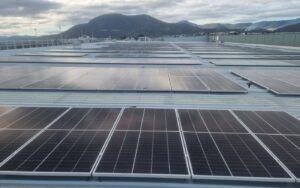
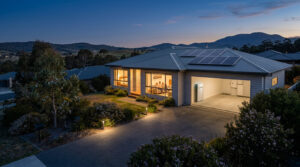
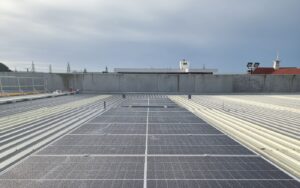
Our commercial solar panels service page covers how we approach commercial installs in Tasmania. For a sense of scale on real local work, see the Bunnings warehouse systems case study across Tasmania and the Mount Rumney Escapes case study.
How to think about timing (October and November 2026)
Intended install start under the proposed arrangements is from 1 October 2026, subject to regulations. Applications are not open until mid to late November 2026. Those two dates are easy to mash together in a sales pitch. Keep them separate.
October is about when eligible mid-scale installs are intended to sit under the new rules, once regulations are in place. November is about when applications open. If your board wants a decision this spring, use the gap to get the site ready: interval data, roof and switchboard checks, network questions, and a design that stands up even if certificate settings move.
We are not going to pretend every job should wait, or that every job should rush. Undersized sub-100 kW systems still make sense when the load and the roof say so. Full LGC pathways still make sense for some larger or already-accredited large-scale settings. Mid-scale STCs are another tool once the published detail and application window exist. Until then, the work you can do without guessing is site truth.
What a solid assessment should cover
When you talk to an installer about a mid-scale commercial system in Tasmania, ask for more than a panel count and a hopeful certificate line.
- Have they pulled or requested interval data, and can they show load versus proposed generation by time of day?
- What is the total onsite capacity they are designing to, and why that number rather than a round certificate band?
- How are they treating TasNetworks connection, export limits, and program timing?
- What design, install, and compliance items are they watching for once CER publishes mid-scale requirements?
- Are they clear that STC dollar values move, and that they are not locking a blog-style savings claim into your board paper?
- What happens to the recommendation if your site is better as sub-100 kW STC, mid-scale STC (when open), or LGC?
Those questions separate a briefing from a brochure. They also keep the conversation on the site you actually run, not a generic Australian case study.
Three Tasmanian-shaped scenarios (illustrative, not quotes)
Coolstore with afternoon peaks. Daytime refrigeration dominates. A sub-100 kW array leaves a visible gap on hot afternoons. Mid-scale capacity could cover more of that shape if the roof and network allow it. The decision still starts with interval data, not the headline 1 MW ceiling.
Dairy or packing shed with early and seasonal spikes. Solar has to match when the plant runs, not only when the sun is nicest on a brochure photo. Sometimes the right answer is still under 100 kW with process timing changes. Sometimes the roof wants mid-scale. The certificate pathway follows the design, not the other way around.
Regional warehouse or retail roof already near the old 100 kW line. These sites often sat exactly on the missing-middle knife edge. Expanding STC eligibility through to 1 MW of total onsite capacity is aimed at them, provided regulations, CER detail, and applications land as intended. Until applications open in mid to late November 2026, use the time to lock the engineering, not to invent a rebate figure.
One more practical point for boards and farm managers. Mid-scale STCs, if and when your job qualifies, change the shape of the upfront conversation. They do not remove the need for a clean single-line diagram, a credible generation estimate against your load, or a builder who can work around operating hours. In Tasmania that often means staging around milk runs, pick shifts, or retail trading days. Certificate paperwork is the tail. Site works are the dog.
If you already have a quote from before 5 August 2026 that capped you under 100 kW only to stay in STCs, it is worth asking for a revised option once CER publishes the mid-scale detail. Same for quotes that jumped straight to LGC language because the roof wanted 150 kW or 300 kW. Re-run the comparison against the proposed 100 kW to 1 MW STC band. Keep the engineering honest. Treat any certificate dollar line as indicative until applications are open and the live market is in the quote.
What we will not do in this article
We will not invent a dollar saving, a percentage bill cut, or a payback year. Certificate markets move. Tariffs move. Your load moves when you add cold rooms, EVs, or a second shift. Any installer who hard-codes those numbers from a policy news post is selling comfort, not a design.
We also will not tell you to wait forever or to file tomorrow. The verified facts are the ones above from the CER announcement path. Everything else on your site is local: structure, switchboard, network, and how you use power on a Tuesday in July.
Next step
If your Tasmanian business has been stuck between a sub-100 kW STC design and a full LGC project, now is a fair time to get a commercial assessment on the calendar. Bring interval data if you have it. Bring the questions above if you do not. We will map capacity to load first, then place the certificate pathway against whatever CER has published at the time we quote.
Contact Expert Energy Tasmania to talk through a mid-scale commercial solar assessment. We install across Tasmania and we will keep this page aligned with CER guidance as more detail lands.
Primary source: CER — Expansion of solar PV eligibility under the SRES. Last reviewed 8 September 2026.