Yes, it is generally worth getting solar panels in Tasmania, and the reasons are becoming even more compelling. Tasmania, often known for its pristine natural beauty, also boasts significant potential for solar energy generation. Coupled with supportive government policies, rising electricity costs, and a growing awareness of environmental benefits, investing in solar panels in the Apple Isle presents a sound financial and ecological decision. This expanded guide delves deeper into the factors that make solar a smart choice for Tasmanians, providing up-to-date information and practical considerations.
High Solar Potential: Harnessing Tasmania’s Sunlight
While Tasmania might be perceived as a cooler, cloudier state, it receives ample sunlight, particularly during the longer summer months, making it highly suitable for solar power generation. According to the ‘A Solar Atlas for Tasmania’ (based on 2000-2010 data), the annual mean solar radiation across the state ranges from approximately 3 to 30 megajoules per square meter per day (MJ/m2/day). The northern Midlands, for instance, receive about 1.5 times more solar energy annually compared to the southwest highlands. Daily solar exposure in summer can be 4 to 5 times higher than in winter, demonstrating significant seasonal variation that can be effectively managed with appropriate system design and potentially battery storage. To put this into perspective, 3.6 MJ is equivalent to 1 kWh, allowing for a clear understanding of the energy potential.

Generous Government Incentives: Reducing Upfront Costs
Both federal and state governments offer attractive financial incentives that significantly reduce the upfront cost of solar panel installations, making them more accessible for Tasmanian households and businesses.
Federal Incentives:
Small-scale Technology Certificates (STCs): This is a cornerstone federal scheme that provides an upfront discount on the cost of approved solar panel systems. STCs are calculated based on the amount of renewable electricity your system is expected to generate over its lifetime. They can reduce the installation cost by approximately 20-30%. One STC is equivalent to 1 MWh of renewable electricity generated, stored, or displaced.
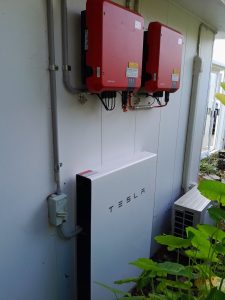
Federal Solar Battery Rebate: To further encourage energy independence and grid stability, a federal rebate is available that can cover 30% of the upfront cost of installing a solar battery alongside your solar panel system.
Tasmanian State Incentives:
Energy Saver Loan Scheme: Previously, Tasmania offered an Energy Saver Loan Scheme, providing 0% interest loans of up to $10,000 for energy-efficient products, including solar panels and battery storage. However, it’s important to note that reports indicate this scheme ended early on September 4, 2025. Prospective solar owners should verify the availability of any new or updated state-specific programs.
High Electricity Prices: Driving Long-Term Savings
Electricity costs in Tasmania are relatively high and continue to rise, making solar panels an increasingly appealing option to reduce energy bills and achieve long-term savings. As of July 1, 2025, average electricity prices in Tasmania are increasing by an average of 2.06%. The average electricity price is approximately 26.18 cents per kilowatt-hour (c/kWh). Furthermore, fixed charges are reported to be increasing by about 20%. These rising costs underscore the financial prudence of generating your own power, hedging against future price hikes, and gaining greater control over your household budget.
Feed-in Tariffs: Earning from Excess Energy
While feed-in tariffs (FiTs) in Tasmania are currently modest, they still provide an additional financial benefit by allowing you to sell any excess electricity your solar panels generate back to the grid. For the 2025-26 financial year, the minimum feed-in tariff rate set by the Tasmanian Economic Regulator is 8.782 cents per kWh. This rate is slightly lower than the previous year, decreasing by 1.7%. While electricity retailers like Aurora Energy may offer slightly different rates, the standard generally hovers around this minimum. It’s worth noting that premium tariffs are often closed to new entrants, so understanding the current standard rates is crucial for financial planning.
Environmental Benefits: A Sustainable Future
Beyond the financial advantages, installing solar panels offers significant environmental benefits. By generating your own clean, renewable energy, you directly contribute to reducing carbon emissions and lessening reliance on fossil fuels. This promotes a more sustainable future for Tasmania and the planet, helping to combat climate change and preserve the state’s unique natural environment. Solar energy systems also reduce air and water pollution associated with conventional power generation, leading to a healthier ecosystem and community.
Factors to Consider Before Installation
Before making the switch to solar, several key factors should be carefully assessed to ensure optimal system performance, longevity, and return on investment.
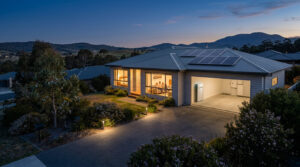
Roof Suitability: Evaluate the size, orientation (north-facing is generally ideal in the Southern Hemisphere), and shading of your roof throughout the day and across seasons. Obstructions like trees or neighbouring buildings can significantly impact solar panel efficiency. A professional installer can conduct a detailed site assessment.
Energy Consumption: Analyse your household’s energy usage patterns. Understanding when and how much electricity you consume will help determine the appropriate system size to maximize your savings and minimize reliance on grid power. This analysis can also inform decisions about battery storage.
Budget and Financing: Consider the upfront costs of installation, but also factor in the significant long-term savings on electricity bills and potential earnings from feed-in tariffs. Explore financing options, including any available loans or green mortgages, to make the investment manageable.
Installation Quality and Reputable Installers: Choosing a reputable installer with extensive experience in the Tasmanian market is paramount. Ensure they are SAA-accredited and adhere to all Tasmanian regulations and Australian standards. Quality installation ensures optimal system performance, safety, and longevity. Websites like SolarQuotes and Tasmania Safer Solar can help you find and compare local, highly-rated installers.
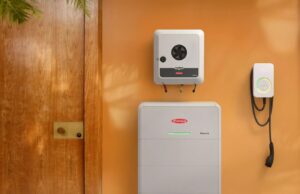
Battery Storage Integration: Given Tasmania’s seasonal solar variations and the federal battery rebate, consider integrating battery storage. Batteries allow you to store excess solar energy generated during the day for use during peak evening hours or cloudy periods, further increasing self-sufficiency and reducing grid reliance.
Overall, with its abundant sunlight, a supportive (though evolving) incentive landscape, high and rising electricity prices, and undeniable environmental advantages, Tasmania presents a highly favorable environment for solar panel installations. By carefully considering the factors outlined above, conducting thorough research, and engaging with reputable professionals, Tasmanians can make an informed decision and reap the numerous benefits of solar energy for many years to come, contributing to both personal financial well-being and a sustainable future for the state.