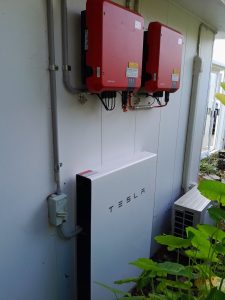
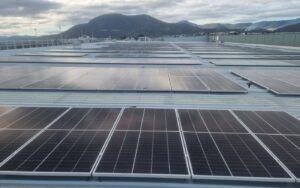
Hobart and Greater Hobart systems sit in salt air, cold winters, and mixed roof conditions. A proper service is an electrical and performance check by a licensed crew — not only a hose on the panels. We do not publish a service price band on this page. Ask when you book. We will not invent failure rates.
Why Hobart / coastal care matters
Salt air along the Derwent and coastal suburbs speeds corrosion on frames, mounts, and outdoor electrics. Leaf litter, lichen, and bird mess cut output. Frost and short winter days make monitoring gaps easier to miss until the bill jumps. Inland roofs have different dirt and wind issues, but the same rule applies: look at generation and hardware, not only the glossy side of the glass.
How often should you service?
Like any income-generating asset, your solar system needs looking after. Regular service protects the returns you bought the system for, and it keeps your installer’s eyes on the hardware for warranty and other issues before they become expensive.
CBOS actively recommends a 12-monthly service. That is the professional cadence we stand behind for Hobart and Greater Hobart systems (sooner after storms, known faults, or heavy coastal exposure).
Between visits:
- Owner glance: monthly — open the inverter or app; note faults, unexpected zero generation, or a sudden drop versus the same month last year
- Visual roof / array: a few times a year from the ground if safe — obvious soiling, damaged panels, loose cables you can see without climbing
Your warranty documents may also ask for maintenance records. Follow the inverter and panel maker’s wording alongside the annual service.
What a proper service covers
An Expert Energy Tasmania service visit is aimed at safety and performance, done by our in-house trade team:
- 1. Inverter status, error logs, and firmware notes where relevant
- 2. DC/AC isolators, cabling, earthing, and visible connectors
- 3. Mounting and roof penetrations where accessible and safe
- 4. Generation vs expected for season and system size (using your monitoring where available)
- 5. Switchboard solar-related gear if we are already in the board for related work
- 6. Clear notes on what needs repair now versus watch-and-recheck
We do not turn a service into a scare pitch for a full system replacement.
Cleaning vs electrical inspection
Cleaning: light soiling sometimes rinses with rain. Heavy salt film, lichen, or sticky mess may need careful cleaning. Roof work is fall and electrical risk — many owners should not DIY from a ladder onto live arrays. If you clean yourself, use safe access, soft water methods recommended for your panel type, and never stand on panels.
Electrical inspection: isolators, inverter faults, damaged DC cable, and board issues are licensed work. That is a service call, not a weekend project.
Inverter and monitoring
Modern systems tell on themselves if you look. A dead display, repeated fault codes, or generation flatlining on clear days means call sooner — do not wait for the next annual visit. If monitoring was never set up, fixing that is often the highest-value first step.
When to call sooner
- Storm damage, water ingress, or burning smells
- Inverter faults that will not clear
- Sudden production drop with no weather explanation
- Breaker trips on the solar circuit
- After major roof work by others
Next step
Book a solar maintenance visit with our in-house Hobart team. Say whether the site is coastal, the inverter brand, and any fault codes you can see.
Contact: (03) 6108 1328 · admin@expertelectricaltas.com.au · Suite 1/99 Lampton Ave, Derwent Park TAS 7009
Related: Solar panels Tasmania · Contact
FAQs
Do panels need cleaning every month?
Usually no. Check output and soiling; clean when performance or visible mess says so — safely.
Is maintenance the same as a warranty claim?
No. Service finds issues; warranty claims follow manufacturer and installer terms.
Can you service systems you did not install?
Often yes, after we confirm access, documentation, and that the work is within scope. Ask when you book.